1. Rental Duration
Duration is the biggest lever. Delivery and pickup cost the same whether a unit stays two days or six months, so the longer the rental, the more those fixed efforts amortize — which is why a monthly rate is meaningfully cheaper than four stacked weekly rates, and a long-term contract beats both. The practical move: book the duration you honestly expect, not the shortest one you can defend. Extensions are always possible, but they're priced as extensions.
2. Service Frequency
Weekly pump-sanitize-restock service is included in every rental. What adds cost is going above that: twice- or three-times-weekly tiers for heavy traffic. What adds even more cost is going below what your usage needs — an overflowing unit means an emergency service call, unhappy guests, or on a job site, an OSHA sanitary-condition problem. Match the tier honestly using the service frequency guide.
3. Delivery Distance & Access
We price delivery all-in across our New Jersey service area, so distance inside the state won't surprise you the way third-party marketplaces do. What does affect the effort — and occasionally the quote — is access: a placement the truck can't get within about 25 feet of, locked gates on service days, or a spot that needs the unit walked in by hand. Flag tricky access at booking and it's planned (and priced) once, up front. The placement guide shows what good truck access looks like.
4. Unit Type
The unit class sets the base rate. A standard unit is the benchmark; flushing adds a small premium; accessibility units (ADA, XLT) and comfort units (VIP with sink) price higher for the equipment; and specialty placement units (trailer-mounted, crane-sling) price for the engineering. The comparison guide lays out which class actually fits your rental — over-speccing is the most common self-inflicted cost.
5. Seasonality
Demand in New Jersey peaks from May through October — wedding season, festival season, and shore events all compete for the same fleet, and spring/summer weekends are the tightest windows. Booking early in peak season protects both availability and unit choice. Winter rentals add seasonal winterization (brine-charged tanks so waste stays pumpable below freezing), which we fold into cold-month service rather than springing as a surprise fee.
6. Order Size
Multiple units delivered and serviced at one address on one route stop are more efficient than the same units scattered across town — and per-unit pricing reflects it. The savings compound when you consolidate accessories (wash stations, sanitizer stands, containment trays) onto the same order instead of adding them piecemeal later.
Stop estimating — see the real number
All six factors are already wired into our online checkout. Set your units, dates, and address and get an exact, all-in quote in under two minutes. Get an exact quote →
What to Watch For on Any Quote
- Delivery billed separately. A low unit rate plus a delivery fee, fuel surcharge, and "environmental fee" usually beats an all-in rate — for the other company.
- Service not defined. "Service included" should mean a stated frequency with pumping, sanitizing, and restocking. Ask what a visit includes.
- Damage and cleaning clauses. Know what you're liable for before you sign, not at pickup.
- Peak-weekend availability. The cheapest quote is worthless if the unit doesn't show up on festival Saturday. Ask about guaranteed delivery windows.
For the full picture of how rates are structured by unit and duration, go back to the NJ rental cost guide — or for job-site budgets specifically, the construction pricing guide.
Popular Picks at Every Tier
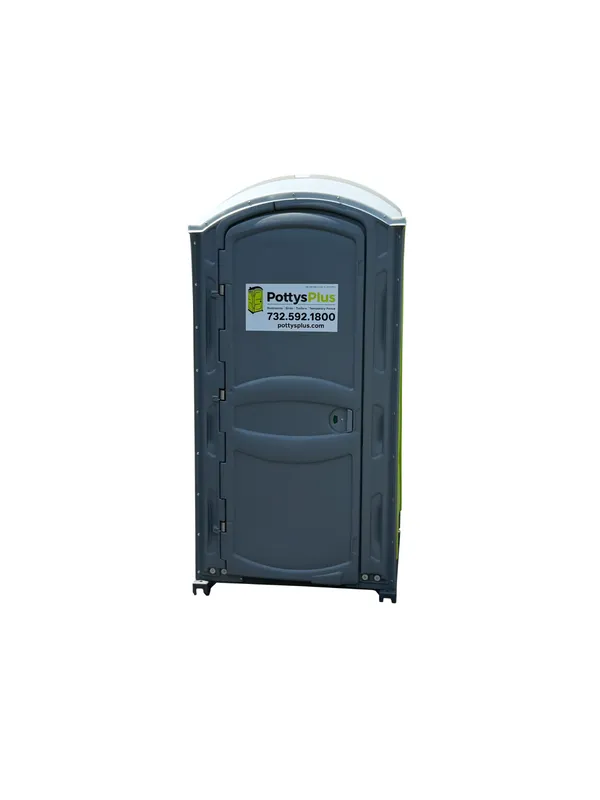
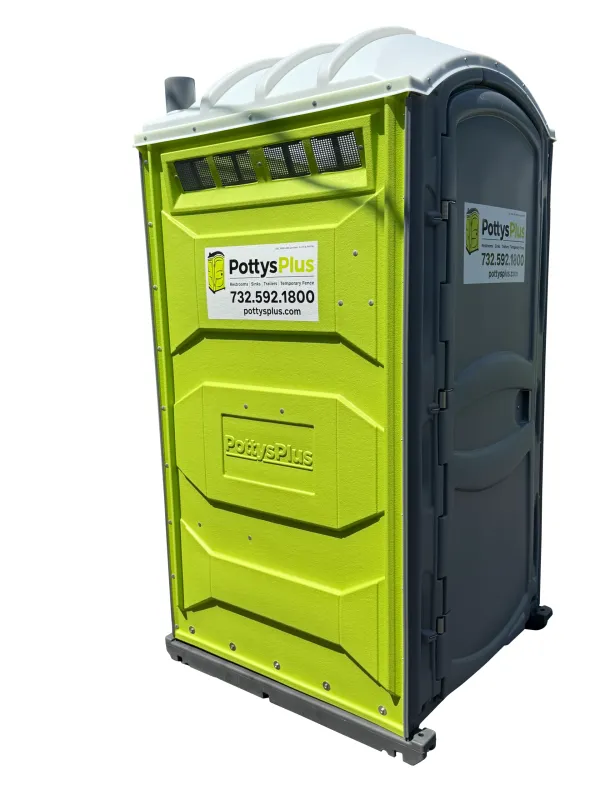
Flushing Unit
Sealed bowl and foot-pump flush — a noticeably nicer experience for a small premium.
View unit →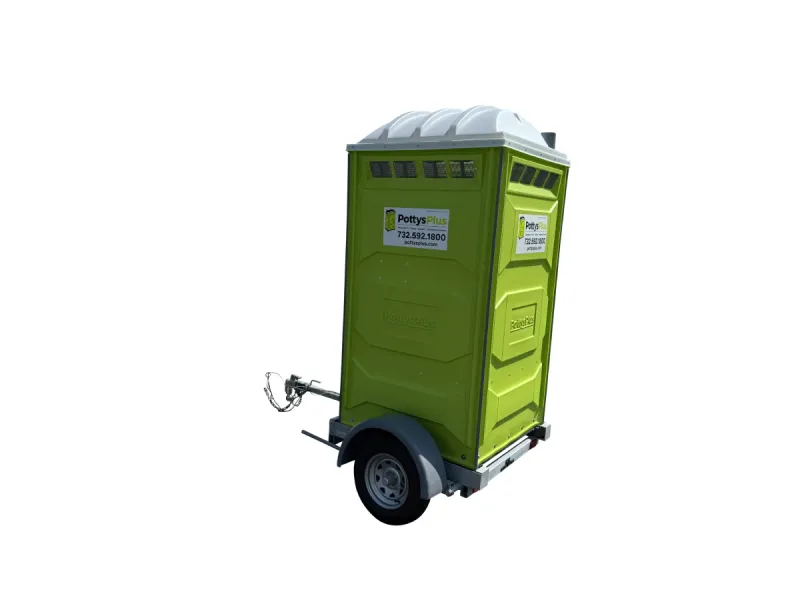
Trailer-Mounted Unit
A porta potty on a towable chassis — priced for the mobility it saves in re-deliveries.
View unit →