Who Rents Long-Term (and Why)
Multi-month rentals are most of our business: construction projects from foundation to punch list, renovation and restoration jobs, farms and agricultural operations, campgrounds and marinas, sports leagues with a season-long field presence, municipal facilities, and property managers bridging a plumbing project. If your need runs past about a month, long-term pricing and a service agreement beat stringing together short rentals — the economics are covered in the NJ cost guide.
What a Service Agreement Covers
A long-term agreement is mostly a service commitment. Ours includes:
- Scheduled service — weekly pump-out, sanitizing, and restock as the baseline, with higher tiers available; every visit logged, records retained.
- Monthly billing — one predictable invoice, PO support for business accounts, per-site breakdowns for multi-location renters.
- Mid-rental flexibility — add units, remove units, or relocate them on the property with 24 hours' notice, prorated.
- Repairs and swap-outs — a damaged or persistently problematic unit gets fixed or replaced; you're renting working sanitation, not a specific plastic box.
- Seasonal care — winterization in cold months, odor management in hot ones, without you having to ask.
Before signing any provider's agreement, confirm three things: the stated service frequency and what a visit includes, how mid-rental changes are priced, and what you're liable for in damage scenarios. (Our answers: defined above, prorated, and vandalism/tip-over damage beyond normal wear.)
Seasonal Swaps & Winterization
A rental that spans seasons in New Jersey needs two adjustments, and both should come from your provider proactively:
- Winter (roughly December–March): tanks get charged with a non-toxic brine solution at each service so waste stays liquid and pumpable below freezing. Untreated tanks freeze solid — which stops the unit working and can crack it. Wash-station water tanks are the freeze-vulnerable component; in hard-freeze months we swap wash stations for sanitizer stands or relocate them into heated enclosures.
- Summer: heat accelerates odor and tank chemistry. High-traffic units often move from weekly to twice-weekly service June through August, then back down in fall. A good agreement flexes the tier seasonally instead of locking you into a January-calibrated schedule all year.
Placement also earns a seasonal review: a spot that's perfect in July can be a plow line in January. The placement guide covers what a good year-round spot looks like.
Troubleshooting: The Issues That Come Up Over Months
| Symptom | Likely Cause | The Fix |
|---|---|---|
| Persistent odor between services | Traffic outgrew the service tier, or summer heat | Bump to 2× weekly service; we'll re-dose deodorizer mid-week |
| Tank fills before service day | More users than the unit is sized for | Add a unit — cheaper than emergency pump-outs; run the calculator |
| Unit leaning or hard to enter | Ground settled or eroded under the pad | Call us — we'll re-level or move it to firmer ground |
| Door won't latch / hardware issues | Wear, weather, or a bent hinge | Flag it at any service visit; persistent problems get a swap-out |
| Frozen door or seat in winter | Wind-driven snow and ice in the gaps | Don't force it — we clear hardware at winter visits; call for same-week help |
| Unit tipped or vandalized | Wind exposure or after-hours visitors | Call immediately for cleanup/swap; consider a more sheltered, lit placement |
| Service truck couldn't reach the unit | Access blocked since delivery — materials, vehicles, mud | Keep a 25-ft approach clear; tell us about gate codes and site changes |
The one habit that prevents most of this
Tell your crew or tenants who to call. Most long-term problems fester because the people using the unit don't know reporting a wobbly door or a filling tank is free and fixes things in days. Our number is on every unit: (732) 592-1800.
Ending the Rental
Close-out is a phone call or an email: we schedule pickup around your end date — punch list, event teardown, or lease turnover — do a final pump, and remove the unit. No removal fees, no disposal surcharges; pickup was in the price from day one. If the end date slips, the rental just extends at the same monthly rate.
Long-term construction renters should also read the construction pricing guide for contract specifics, and the construction site guide for compliance across a project's life.
The Long-Haul Lineup
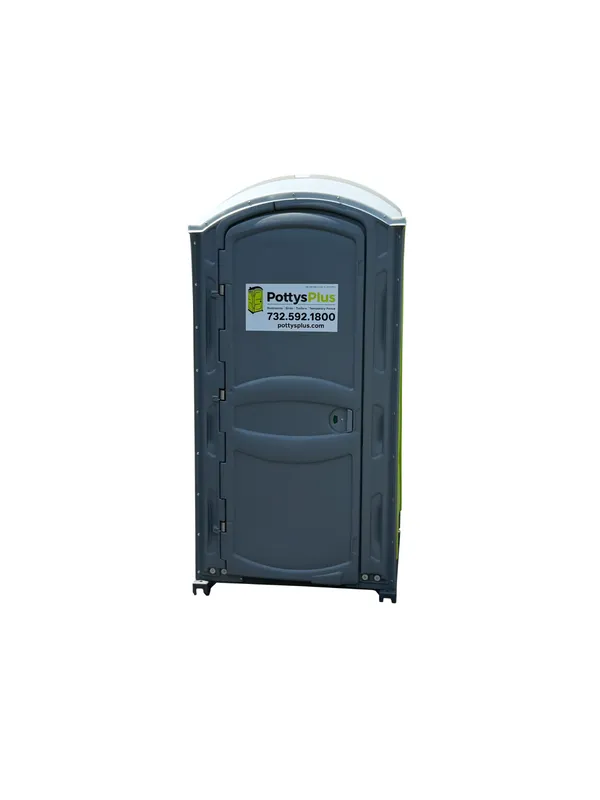
Standard Porta Potty
The long-term staple — built for months of daily use with weekly service included.
View unit →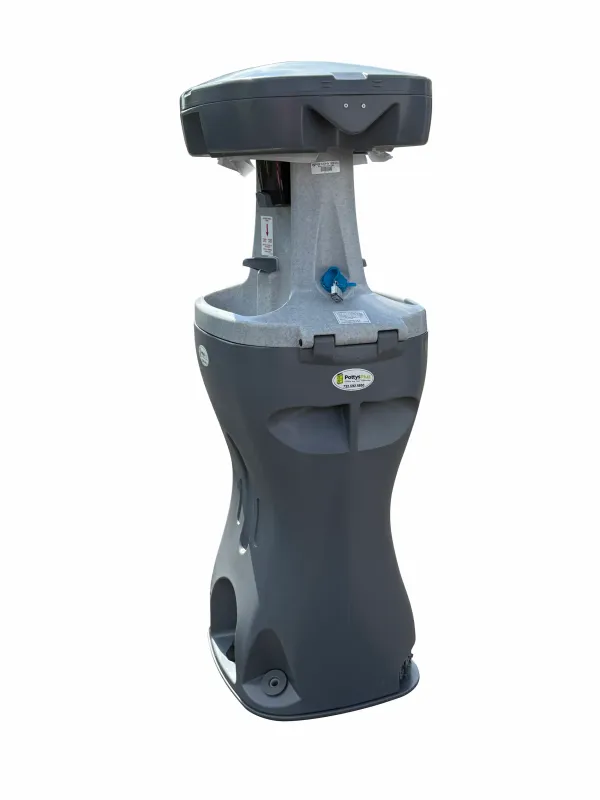
Dual Hand Wash Station
Self-contained sinks beside the unit — swapped for sanitizer stands in hard-freeze months.
View unit →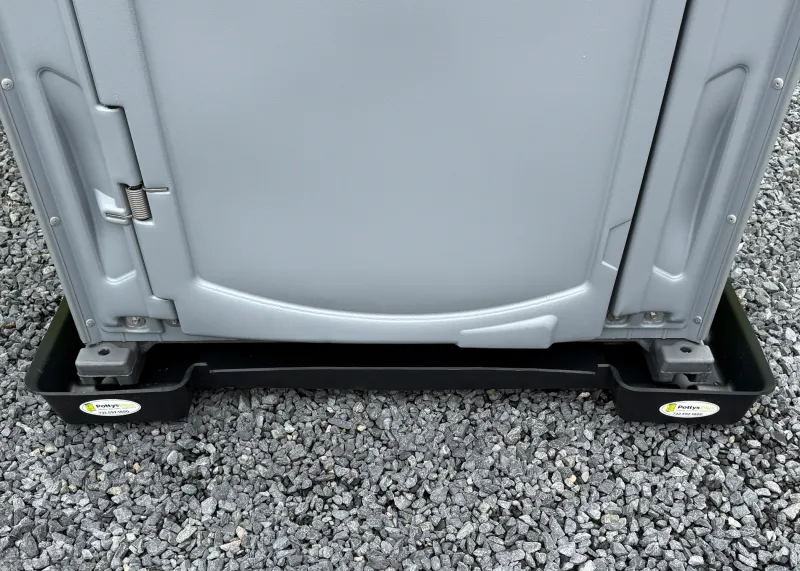
Containment Tray
Cheap insurance under any long-term unit — required near drains in many NJ municipalities.
View unit →