
Home › Resource Hub › How to Prepare Your Property for Portable Toilets
How to Prepare Your Property for Portable Toilets (NJ Checklist + Steps)
If you’re renting a portable toilet for a home event, job site, school, park, or festival, the biggest problems happen when access and placement aren’t planned. Use this step-by-step guide to prevent delivery delays, missed servicing, lawn damage, and “dry run” fees.
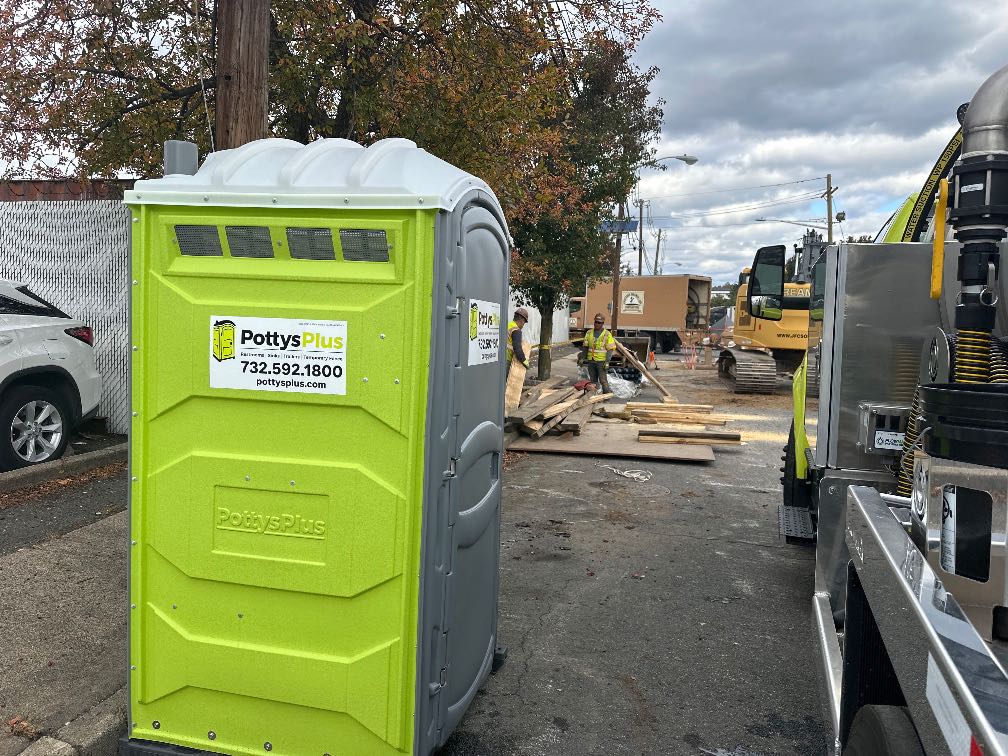
Quick Answer: How do you prepare a property for portable toilets?
To prepare your property for portable toilets, you need a clear delivery path, a level and stable placement area, and ongoing access for weekly service trucks. Most issues come from blocked driveways, soft ground, last-minute placement changes, or units becoming inaccessible after setup.
Printable Property Prep Checklist (Download)
Prefer a quick printable? Download the checklist to share with homeowners, site supers, venue staff, or event coordinators.
Step-by-Step: How to Prepare Your Property for Portable Toilets
Use the steps below to prevent delivery delays, protect your property, and keep units serviceable throughout the rental.
1) Pick a level, stable placement area
- Choose a firm surface: asphalt, concrete, packed gravel (best).
- Avoid soft lawns, slopes, drainage areas, or loose sand.
- Leave enough room for the door to swing open fully and for guests to queue safely.
2) Confirm delivery AND service-truck access
- Keep a clear path for a truck (tight turns and low branches cause delays).
- Make sure gates are unlocked on delivery day and every service day.
- If the unit is behind fencing, a building, or inside a work zone, plan access in advance.
Pro tip: If you’re unsure, use the Portable Toilet Placement Guide →
3) Mark the exact drop spot (avoid last-minute changes)
- Use cones, chalk, or a quick photo to confirm placement.
- Tell us about narrow driveways, one-way access, steep grades, or limited staging areas.
- For events, place units where guests can find them without blocking entrances or vendor lines.
4) Protect driveways, lawns, pavers & landscaping
- If placing on decorative pavers or soft ground, consider plywood or an approved barrier.
- Avoid irrigation lines, septic lids, and fragile edging.
- Don’t place units where stormwater runs (helps prevent shifting and mess).
5) Plan for weekly servicing (this is where most rentals fail)
- Units must remain accessible for routine cleaning/pump-out.
- Don’t block them with parked cars, locked gates, stacked materials, or snow piles.
- If your site changes (construction phases / fencing / staging), update placement proactively.
Keep units cleaner between service with our Odor Control & Cleanliness Guide →
6) Consider hygiene add-ons for guests & crews
- High-traffic events and job sites benefit from handwashing stations.
- Food service or kids’ events should strongly consider handwash coverage.
7) New Jersey-specific notes (access, weather & tight properties)
- NJ properties often have tight access, decorative landscaping, and limited curb space.
- In winter, keep a path cleared for service (snow piles commonly cause missed stops).
- For street/right-of-way placement, check local town rules first (especially in dense downtowns).
Want us to confirm placement & access before delivery?
Tell us your address, rental duration, and where you want the unit—our team can recommend the safest setup for delivery and weekly servicing.